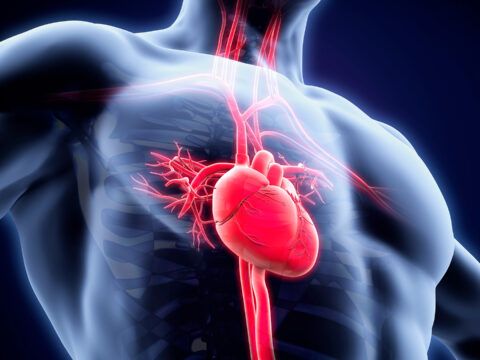
Como é feito o check-up de saúde cardiovascular
O coração trabalha 24 horas por dia, sete dias da semana, mas as pessoas costumam […]
Veja mais



Winning the ball back is only half the battle. The moment of recovery is where matches are often decided, yet many players fail to convert it into meaningful attacking chances. This guide breaks down the essentials of evaluating and executing attacks immediately after a ball recovery so you can turn defensive moments into goalscoring opportunities with clarity and purpose. 1. The first three seconds matter most. Research from elite coaching circles consistently shows that the window between winning the ball and the opposition reorganizing their shape is extremely short. Teams that act within this window create higher-quality chances because defenders are still settling and the space in front of them is wider. Slow reactions after a recovery allow the defensive line to compress and cut off passing lanes before an attack can develop. 2. Recovery location dictates attack quality. A ball won in the opponent’s half leads to faster, more direct attacks with fewer passes needed. A ball won in your own half requires patience and structured buildup. Players who recognize where they won the ball and adjust their decision-making accordingly consistently create better outcomes than those who treat every recovery the same way. The difference between a shot on target and a wasted possession often comes down to reading the moment correctly. 3. Supporting angles determine success rates. The player recovering the ball is rarely the one who finishes the attack. Evaluating who is closest, who has the best angle, and who can move into space quickly is just as important as the recovery itself. Great teams train the concept of “who is free?” immediately after winning possession, because the first pass is the one that starts the whole attacking sequence. If that pass is predictable or slow, the advantage disappears before it is used. Before practicing or executing, every player involved needs clarity on what type of attack follows a recovery. There are generally three scenarios: immediate counterattack, short buildup from deep, or a delayed switch of play. Each requires different positioning and decision-making. A midfielder recovering the ball in midfield space faces a different situation than a full-back winning it near the touchline. Before you act, identify which scenario you are in so you can choose the right response. Coaches should prepare players by drilling transitions repeatedly, but with variation. Use different starting positions, different recovery zones, and different numbers of opponents so that the training reflects real match conditions. When players understand the context before the ball is even won, their reactions become instinctive rather than calculated. That shift from thinking to reacting is what separates average teams from effective ones. Speed and decision quality are the two pillars. After a recovery, the team that moves the ball faster than the opponent can reorganize usually wins the chance. But speed without direction is just running. The ball must move toward space where defenders are not yet positioned, and the player receiving it must have time and a target to aim at. Here are the principles that guide effective post-recovery attacks: This sequence works whether the recovery happens in the attacking third, middle third, or defensive third. The only difference is how many passes are needed. Quick counterattacks from deep recoveries require fewer touches and faster decisions. Build-up attacks from the back require more players to arrive in position before the ball moves forward. When a midfielder intercepts a pass in central space, the immediate response is often a forward pass to a winger or a through ball into the half-space. The player receiving it should already be moving toward the goal, not waiting for the ball to arrive. If the recovery happens near the touchline, the first option is usually a cross or a switch to the opposite flank where the attack can build numbers. Defenders recovering the ball near their own goal should look for the nearest forward runner rather than trying to play out from the back under pressure. In each case, the first pass determines the quality of the entire attack. Here is a simple breakdown of what to look for depending on where the ball was won: Over-dribbling after a recovery is the most frequent error. Players try to beat one opponent when a simple pass would open the field. Carrying the ball slowly gives the defense time to regroup. Another mistake is ignoring the nearest teammate who is already in a better position. The recovering player often focuses on what they can do rather than what the team can do. The best attacks after recoveries involve selfless movement and quick decisions that benefit the whole unit, not just the individual. Looking up before receiving the ball is a habit that prevents wasted touches and late reactions. Some players also fail to communicate after winning possession. A quick call for a pass or a shout to indicate where to move can change the entire outcome. Without communication, teammates do not know who is supporting or where the next pass should go. This is especially important in crowded areas where vision is limited. A simple verbal cue can speed up the attack by a full second, which is often enough to create a goal-scoring chance. Even well-executed attacks can fail if players ignore the risks involved. Every transition carries the possibility of turning the ball over in a dangerous area. This is why body shape and awareness are critical. Players should protect the ball when under pressure and avoid playing risky passes in crowded zones. A turnover after a recovery can lead directly to a counterattack against your own team. Recognizing when to play safely and when to be aggressive is a skill that improves with repetition and game experience. Also, players sometimes forget that not every recovery needs to become an immediate attack. If the team is well organized defensively, the best option may be to reset and wait for the next opportunity. Forcing an attack when the shape is poor often leads to mistakes. Knowing when to be patient is just as important as knowing when to be direct. On a practical level, teams that practice these transitions regularly see improvement in their ability to convert ball recoveries into chances. Many professional coaches use small-sided games that force quick decisions after winning possession. This type of training builds the instinct to attack immediately and the discipline to wait when necessary. Players who understand both sides of the equation are far more effective in matches. If you are looking for further tactical insight and match analysis resources, consider visiting nhà cái 123B for additional content that supports your understanding of game tactics and performance analysis. For players who want to track their progress and analyze game patterns more carefully, you can also access detailed resources by Đăng nhập 123B to explore performance tools and match insights designed to help you understand transitions and attacking patterns better. The difference between a good team and a great one often comes down to what happens in the first few seconds after winning the ball. Practicing these principles consistently will make your transitions faster, smarter, and more dangerous. Every recovery is a chance to attack. The question is whether you are ready to use it.How to Evaluate Attacks After Ball Recoveries in Football: A Practical Guide for Players and Coaches
Three Findings That Change How You See Transition Play
 Hình minh hoạ: nhà cái 123B
Prepare by Understanding Your Role in Transition

Core Principles of Post-Recovery Attacking

Step-by-Step After a Ball Recovery

Examples from Common Situations
Zone of Recovery
Recommended Action
Key Focus
Opponent’s half, central
Forward pass or through ball into space
Speed and directness
Opponent’s half, wide
Cross or switch to opposite flank
Stretching the defense
Own half, central
Short pass to build up or carry forward
Timing the push forward
Own half, under pressure
Clear forward or long ball to target runner
Relieving pressure immediately
Common Mistakes Players Make
Risk Awareness After Winning Possession
Key Risks to Remember
Final Thought

Giá: 137,789 VNĐ
Đánh giá: 4.1/5 ⭐ từ 20 đánh giá

Phân Tích Khuyến Mãi Theo Giá Trị Thực Tại Taixiu.fyi

Review Keonhacai.pizza: Phân Tích Tính Năng Game Casino và Khả Năng Phù Hợp
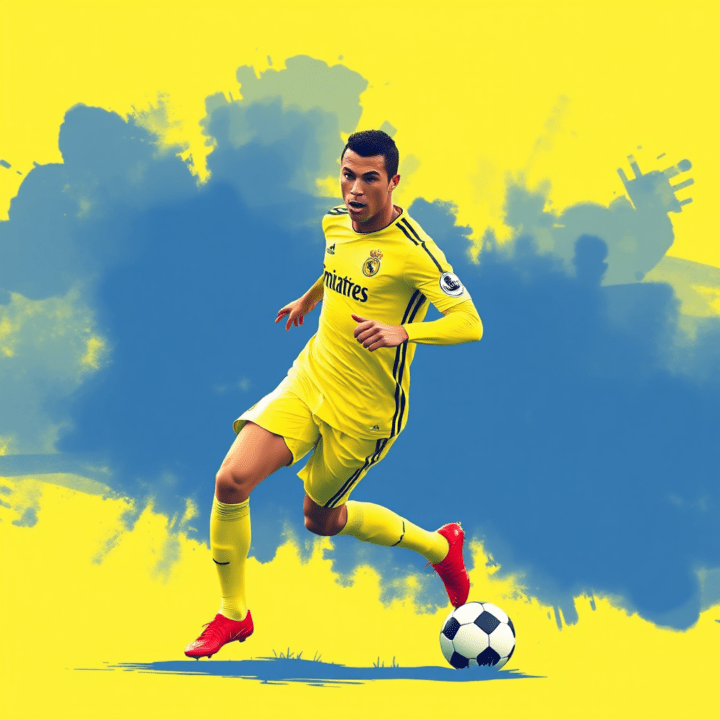
Khám Phá Các Đội Bóng Được Quan Tâm Tại gamebaidoithuong.fyi

What Football Rest-Defense Structure Means During Sustained Attacks — And How to Navigate V7979 From Access to Support
O coração trabalha 24 horas por dia, sete dias da semana, mas as pessoas costumam […]
Veja mais
Com pequenas mudanças de hábitos, é possível conquistar mais disposição para o dia a dia […]
Veja mais
A osteoporose é uma doença ósteo-metabólica silenciosa, caracterizada pela diminuição de massa óssea. Em geral, […]
Veja mais